
Humanity isn’t normal, it’s normalised
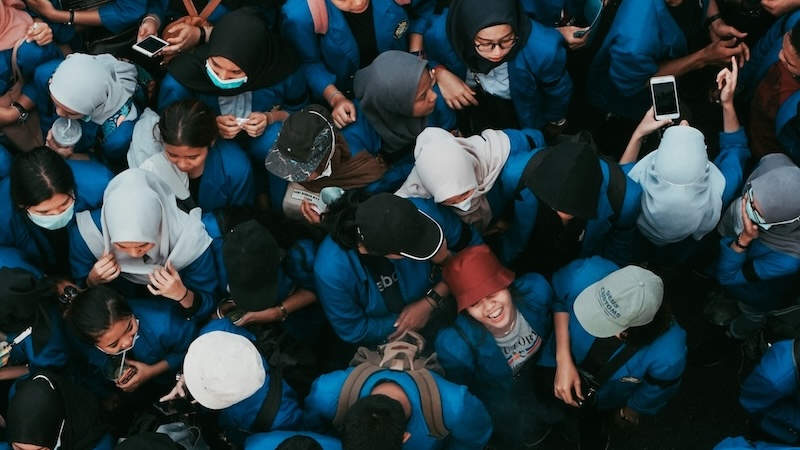
We are not normal. We are normalised. Those four extra letters matter—a lot.
Because what we call ‘normal’ behaviour—our anxiety, our compulsions, our quiet shame, our obsessions with fame, status, and sex—is not the natural expression of a healthy human system. It’s the adaptation of a wounded one. It’s what happens when the psyche and body reorganise themselves around unresolved pain then call that reorganisation ‘normal.’
Psychiatrist R. D. Laing writes: “What we call ‘normal’ is a product of repression, denial, splitting, projection, introjection and other forms of destructive action on experience… The ‘normally’ alienated person… is taken to be sane.” [1]
Look closely. You can see the alienation, the cracks—and the connections.
Not isolated issues, but clusters. Not random quirks, but consistent outputs. The person who struggles with impostor syndrome also struggles with boundaries. The one who feels chronic shame is also entangled in porn addiction or self-harm.
These are not separate problems. They’re symptoms, outputs of a deeper, below-the-waterline process rooted in arrested childhood development and invisibly inherited trauma.
The unconscious
What we inherit is not just eye colour or bone structure, but unresolved emotional cancers—trauma that predates our own lives. It is passed down, encoded not only in family narratives but in behaviour; in what was never spoken, felt, or processed. It feels like who we are. But it isn’t. It’s what we’ve been shaped to carry.
So, we adapt—as evolution dictates.
Faced with emotional environments they cannot control or understand, children reorganise internally to survive. They suppress, split, perform, withdraw. They freeze and fawn. They learn what’s acceptable and what isn’t. In doing so, they unconsciously exile the parts of themselves that do not fit.
This is the origin of the deep unconscious.
It’s not a mysterious Freudian abstraction, but a functional necessity. A storage system for everything we could not safely integrate at the time. In it “are found unfathomable depths of the rejected, the unacknowledged, the unrecognised, the unknown and undeveloped elements of our existence.” [2]
Every unconscious element shares the same three qualities: we’re afraid of it, ashamed of it, and unwilling or unable to take responsibility for it.
Fast forward. The child becomes the adult, but the adaptations remain. Only now they are no longer recognised as such. We call them personality. Identity. Preference. Normality.
But there’s nothing normal about a system organised around self-avoidance. About a mind dulled by low-grade anxiety. A body perpetually braced for impact.
Normal society
What we call ‘normal society’ is actually a network of mutually reinforcing coping strategies. We mirror each other’s dysfunctions, validate them, build cultures on them. Entire industries emerge to manage—and monetize—the symptoms without ever recognising their cause.
And because it’s everywhere, it’s invisible. Not normal; normalised. I call it the Patriarchal Operating System as its emergence created our feeling-avoidant structures and societies.
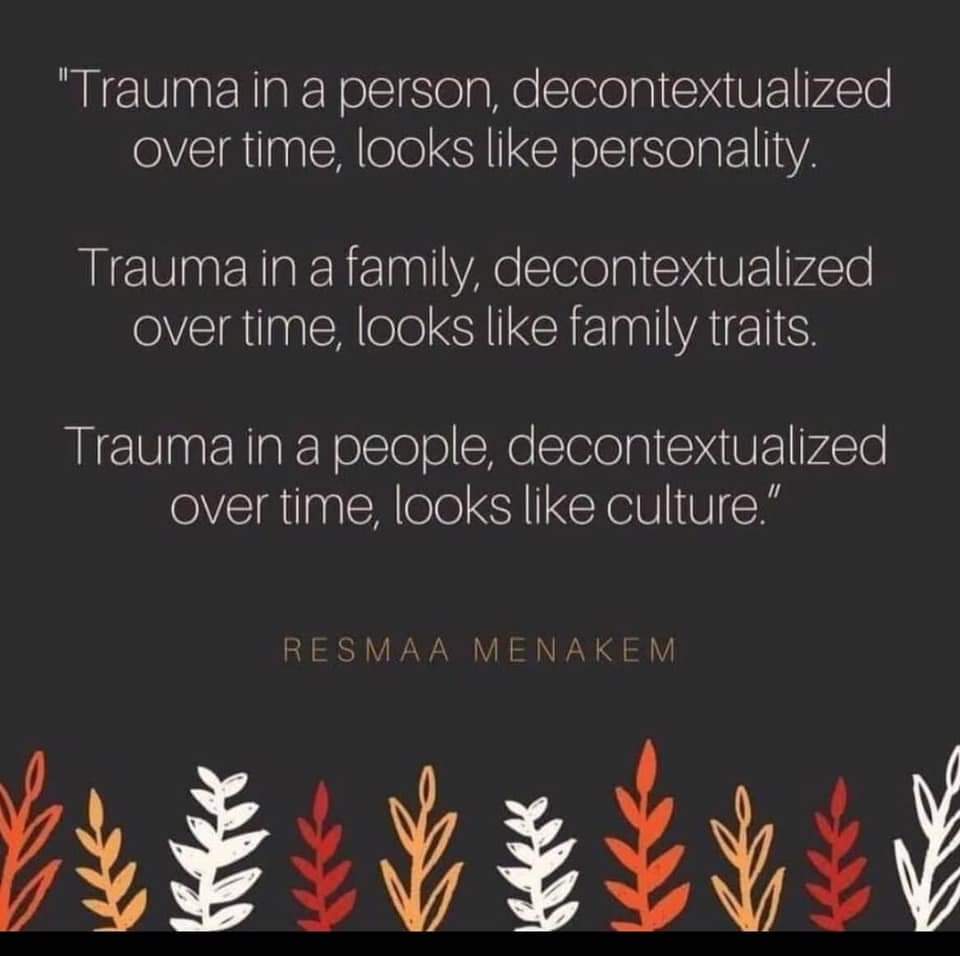
This is the great, quiet tragedy.
Not that we’re wounded—that’s inevitable—but that we mistake the wound for the self. That we defend it. That we build lives around it. That we never question whether the baseline we’re comparing ourselves to is, in fact, deeply distorted.
To break the pattern requires something most people avoid: turning towards the unconscious.
But the moment you do, the narrative begins to fracture. What felt impenetrable reveals itself as principles, patterns, and processes. As I describe in my book, The Generational Trauma Workshop Manual, they can be understood—and, therefore, changed.
This is where responsibility begins. The willingness to see clearly what’s been inherited, what’s been adapted, what’s still being unconsciously enacted—and release them.
And then something remarkable happens. What felt normal suddenly feels fake. And what once felt unreachable—clarity, coherence, integration—begins to feel, perhaps for the first time, natural.
Photo by Bagir Bahana on Unsplash
References
[1] Laing, R. D.; The Politics of Experience (1967)
[2] Knight-Jadczyk, Laura; Debugging the Universe (2001)